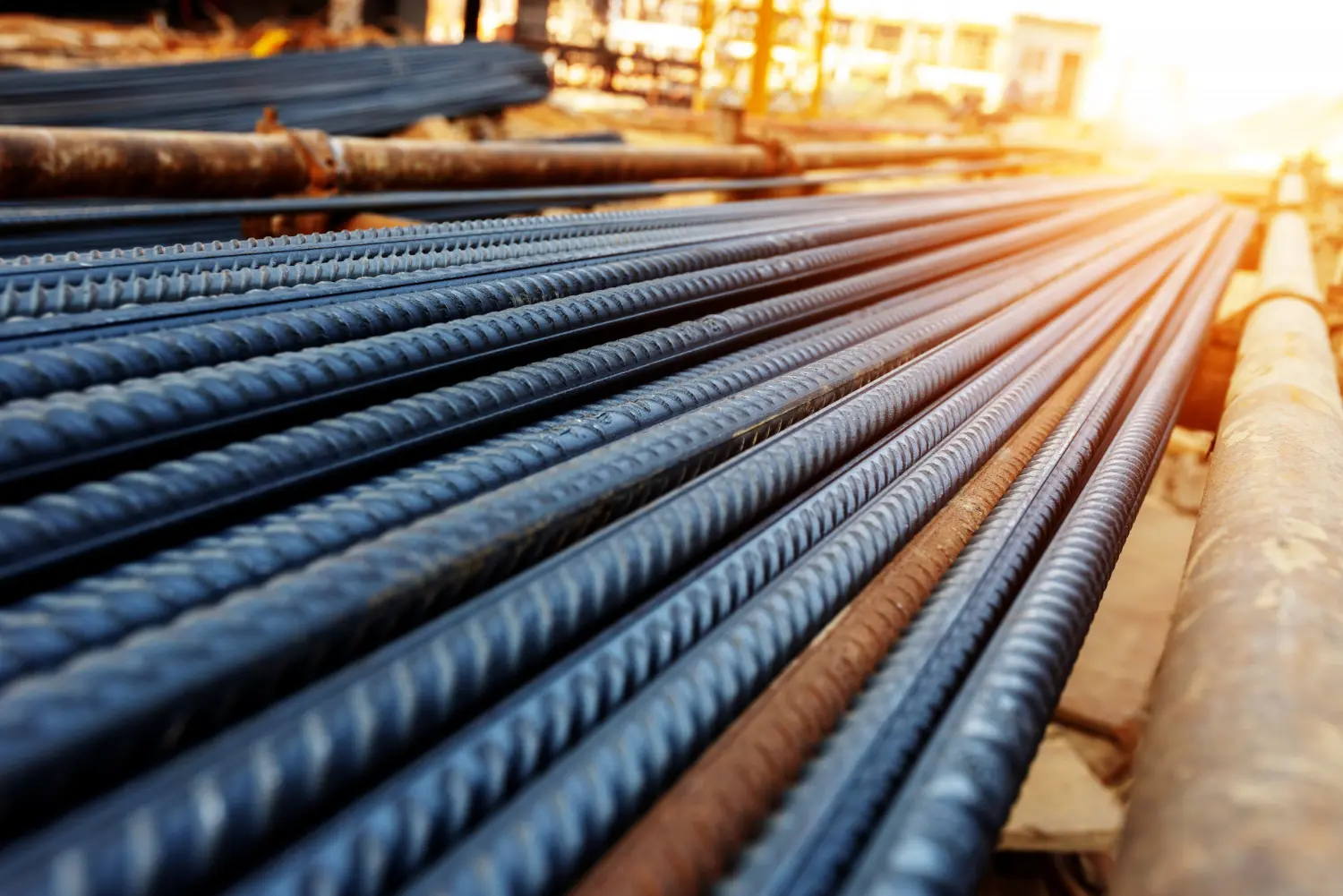
Steel reinforcement is one of the most important materials in reinforced concrete construction. From residential buildings and commercial developments to industrial facilities and infrastructure projects, TMT bars are used to strengthen concrete and support structural performance.
But purchasing the right TMT bars is only one part of the process. How reinforcement is transported, unloaded, stored, and handled before installation also matters.
When steel is stored without proper planning, it may become difficult to identify grades and sizes, manage inventory, prevent contamination, or maintain the condition of the material. These challenges can lead to avoidable handling, wastage, and delays at the construction site.
For builders and contractors, good reinforcement storage practices begin before the material arrives. Planning the storage area, organising different bar sizes, and following project specifications can help maintain a more controlled construction workflow.
Sachi Steel supports reinforcement requirements through its Tata Tiscon TMT bars and other construction steel solutions.
This guide explains how to store TMT bars at construction sites, what common mistakes to avoid, and how contractors can organise reinforcement inventory more efficiently.
Why Proper TMT Bar Storage Matters
TMT bars are often delivered in batches according to project requirements. Depending on the size and stage of construction, material may remain at the site for a period before it is processed or installed.
Without a planned storage system, the site team may face difficulties such as:
- Mixing different bar diameters or grades
- Losing track of material quantities
- Handling bars multiple times
- Allowing bars to come into contact with soil or standing water
- Creating obstructions in working areas
- Delaying reinforcement preparation
- Increasing the risk of material damage or wastage
Proper storage does not replace quality checks or structural specifications. Instead, it supports better material management and helps ensure that reinforcement can be identified and handled correctly when required.
1. Prepare the Storage Area Before Delivery
The storage area should be planned before TMT bars arrive at the construction site.
Choose a suitable location
Select a designated area that allows material to be unloaded, organised, inspected, and retrieved safely.
Where possible, the storage area should be:
- Accessible to delivery vehicles
- Away from unnecessary site traffic
- Clear of excavation and active construction zones
- Organised to allow separate storage for different bar sizes
- Planned to reduce repeated shifting of material
The storage location should also be coordinated with the site’s overall material movement plan.
Keep reinforcement away from direct ground contact
TMT bars should be stored on suitable supports rather than placed directly on soil or in areas where water can accumulate.
The type and arrangement of supports should be appropriate for the bar quantity, length, and site conditions. The objective is to reduce contact with soil, standing water, and other contaminants while maintaining stable storage.
Plan drainage and protection
The storage area should not allow water to collect around the reinforcement.
Where the site is exposed to rainfall, the team should consider drainage and suitable protective arrangements. Any covering should be managed so that it does not trap moisture against the bars or create unsafe handling conditions.
2. Separate TMT Bars by Diameter and Grade
One of the most important storage practices is keeping reinforcement clearly identified.
Construction projects may use several bar diameters and grades, depending on the structural design. If different materials are stored together without clear identification, workers may spend additional time sorting bars or may select the wrong material.
Organise bars by size
Store different diameters in separate, clearly identified sections wherever practical.
For example, bars used for different structural elements may be grouped according to the project’s material schedule and site requirements.
Maintain grade identification
The site team should preserve relevant material identification and documentation.
The identification system should help workers confirm the material before it is issued for cutting, bending, or installation.
Use clear labels
Labels can identify:
- Bar diameter
- Grade or material designation
- Delivery batch
- Quantity
- Relevant purchase or delivery reference
- Intended project or structural use, where applicable
A consistent identification system can make material retrieval easier and reduce confusion during reinforcement preparation.
3. Inspect TMT Bars When They Arrive
Incoming material should be checked before it is moved into long-term storage or issued for use.
Verify the delivery against the order
The site team should compare the delivery with the purchase order, delivery documents, and project requirements.
Check relevant details such as:
- Bar diameter
- Grade or designation
- Quantity
- Batch or identification information
- Visible condition
- Supporting documentation required by the project
Any discrepancy should be recorded and raised with the supplier before the material is mixed with existing inventory.
Check for visible damage or contamination
Inspect the material for conditions that may require further review, such as:
- Excessive dirt or mud
- Oil, grease, or other contaminants
- Visible damage
- Unusual surface conditions
- Material that does not match the expected specification
If the site team is uncertain about the acceptability of a material condition, it should be referred to the responsible quality or engineering personnel rather than accepted based only on appearance.
Maintain delivery records
Keeping a record of incoming reinforcement can help track inventory and support material traceability.
The record may include delivery date, quantity, material designation, supplier details, and relevant documentation.
4. Understand Surface Rust and When to Seek Review
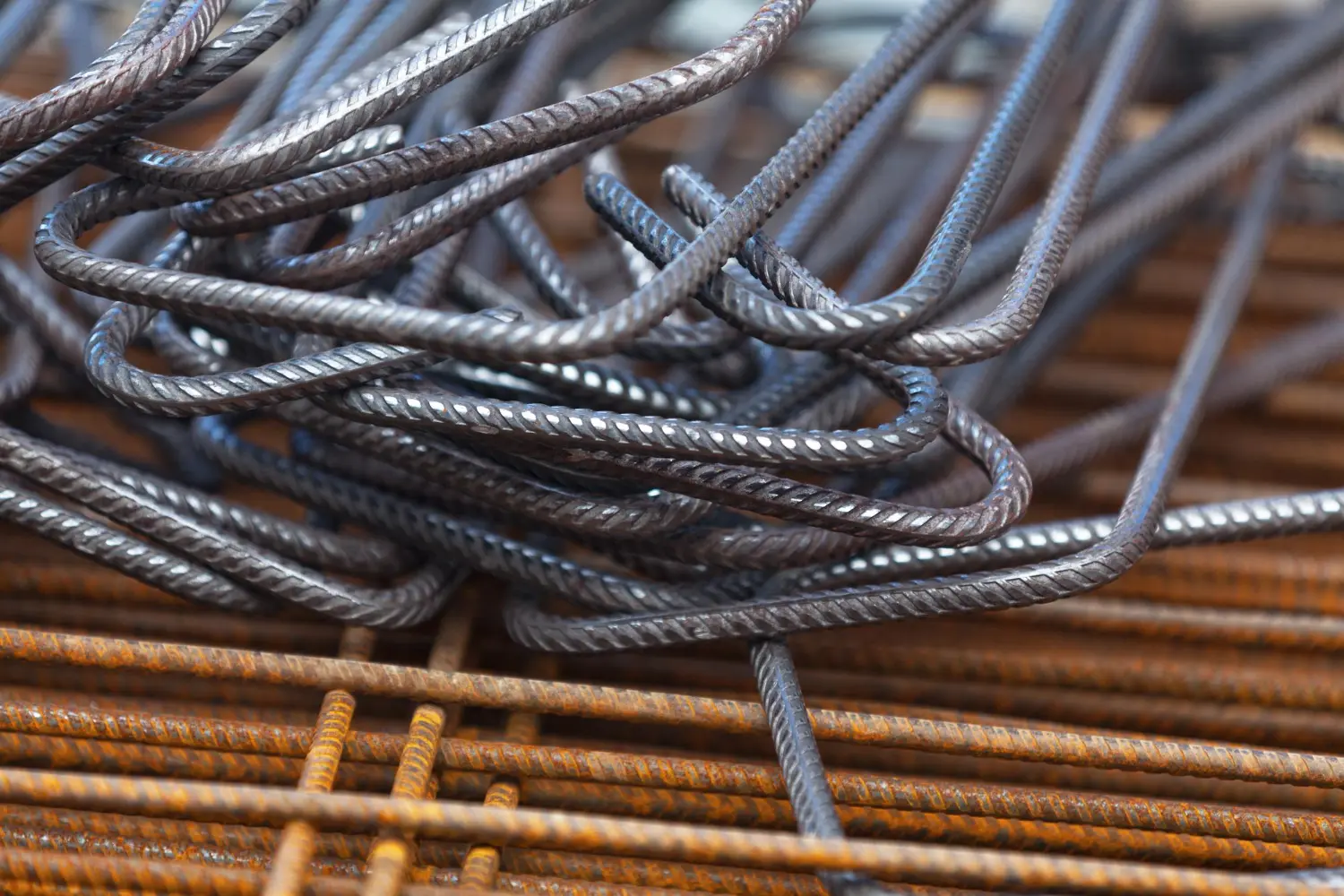
TMT bars stored outdoors may develop surface rust due to exposure to moisture and air. The presence of rust alone does not automatically establish whether reinforcement is acceptable or unacceptable.
The condition should be assessed according to the applicable project specifications and relevant standards.
Avoid making decisions based only on appearance
A site team should not automatically reject reinforcement solely because a surface appears discoloured. Equally, it should not assume that every rusted bar is acceptable.
The appropriate assessment depends on the condition of the reinforcement, the extent of corrosion, and the requirements governing the project.
Prevent avoidable exposure
Good storage practices can help reduce unnecessary exposure to moisture, soil, and contaminants.
The site team should maintain suitable supports, drainage, identification, and inspection practices throughout the storage period.
Escalate uncertain conditions
If reinforcement shows significant scaling, pitting, damage, or other concerning conditions, the material should be reviewed by the responsible quality or engineering personnel before use.
5. Manage TMT Bar Inventory According to the Construction Sequence
Material management becomes more difficult when reinforcement is delivered without considering the project’s execution sequence.
Match deliveries to planned requirements
Where practical, coordinate material deliveries with the construction schedule and reinforcement requirements.
This can help reduce excessive storage, repeated shifting, and congestion in the material yard.
Use a material issue system
A simple issue record can help track which reinforcement has been moved from storage to cutting, bending, or installation.
The system should make it easier to understand:
- What material has been received
- What material remains in storage
- What material has been issued
- What material is allocated to upcoming work
- What material requires reconciliation
Follow a consistent stock rotation process
For projects with multiple deliveries, a consistent stock rotation process can help prevent older material from being overlooked.
The process should preserve material identification and ensure that the reinforcement selected for use meets project requirements.
6. Avoid Common TMT Bar Storage Mistakes
Storing all sizes in one pile
Mixing bar diameters and grades can make material identification difficult and increase handling time.
A designated storage arrangement with clear labels can help the team retrieve the correct reinforcement more efficiently.
Placing bars in low-lying areas
Storage in areas where water collects can expose reinforcement to unnecessary moisture and make handling difficult.
The site team should consider drainage and suitable supports when planning the storage location.
Moving material repeatedly
Repeated shifting can increase handling effort and create unnecessary disruption.
Planning the storage area around the construction sequence can help reduce avoidable movement.
Losing material documentation
Delivery records and identification information should remain connected to the relevant material.
If documentation is separated from the reinforcement, the team may find it harder to verify material details during inspection or installation.
Cutting or bending bars without confirming the schedule
Reinforcement should be processed according to approved drawings and bar bending schedules.
Uncoordinated cutting or bending can lead to incorrect dimensions, avoidable wastage, and rework.
For projects requiring processed reinforcement, Sachi Steel’s Cut and Bend services can be considered based on approved project requirements.
7. How Cut and Bend Reinforcement Can Support Material Management
Cut and Bend reinforcement involves processing bars into specified lengths and shapes according to approved bar bending schedules.
For suitable projects, planned processing can support a more organised approach to reinforcement preparation.
Reinforcement prepared according to approved schedules
Processing according to approved schedules helps connect reinforcement fabrication with the structural drawings and project requirements.
Reduced need for extensive on-site processing
Depending on the project arrangement, processed reinforcement may reduce the need for extensive cutting and bending activities at the site.
More organised material allocation
Reinforcement can be coordinated with specific structural elements and construction stages, subject to project planning and supplier arrangements.
Better coordination between supply and execution
When procurement, fabrication, delivery, and installation are planned together, the site team can manage reinforcement more systematically.
Cut and Bend services do not replace the need for accurate drawings, material inspection, or site coordination. The reinforcement must still be checked against approved project requirements.
8. Coordinating TMT Bars With Other Reinforcement Materials
TMT bars are often used alongside other reinforcement products, depending on the structural design and construction application.
Binding wire
Binding wire is used for tying reinforcement intersections and helping maintain the required arrangement during installation.
Explore Sachi Wires for binding wire and related wire products.
Couplers
Mechanical couplers may be specified for certain reinforcement connections.
Their use, location, and installation must follow the approved structural design. Explore Sachi Steel’s couplers for reinforcement connection requirements.
Weld mesh
Weld mesh may be suitable for specific applications such as flooring, pavements, panels, and other designed reinforcement systems.
Explore Sachi Steel’s weld mesh for relevant project applications.
Bore pile cages
Deep foundation projects may require reinforcement cages prepared according to project-specific dimensions and structural details.
Explore Sachi Steel’s bore pile cages for foundation reinforcement requirements.
The suitability of each product depends on the approved design, application, and project specifications.
9. A Practical TMT Bar Storage Checklist for Site Teams
Before and after reinforcement delivery, the site team can use the following checklist as a general material-management aid.
Before delivery
- Identify and prepare the designated storage area.
- Check access for unloading and material movement.
- Plan separate storage for different diameters and grades.
- Arrange suitable supports.
- Review the expected delivery against the construction schedule.
At delivery
- Verify the material against the order and delivery documents.
- Check quantity and identification.
- Inspect visible condition.
- Record relevant batch or delivery details.
- Report discrepancies before mixing the material with existing stock.
During storage
- Keep reinforcement organised and identifiable.
- Avoid unnecessary contact with soil and standing water.
- Maintain clear access for inspection and retrieval.
- Track material issued for processing or installation.
- Review material condition when required by project procedures.
Before processing or installation
- Confirm material identification.
- Check the latest approved drawings and bar bending schedules.
- Ensure reinforcement is issued for the correct structural element.
- Refer uncertain material conditions to the responsible quality or engineering team.
This checklist is a general guide and should be adapted to the project’s approved quality procedures and applicable requirements.
How Sachi Steel Supports TMT Bar Requirements
Sachi Steel provides construction steel and reinforcement solutions for builders, contractors, and infrastructure projects.
For projects requiring TMT reinforcement, buyers can explore Tata Tiscon TMT bars and review the company’s complete product range.
Depending on approved project requirements, related solutions include:
To learn more about the company, visit Sachi Steel’s About Us page. For project-specific material requirements, buyers can contact Sachi Steel.
Frequently Asked Questions
How should TMT bars be stored at a construction site?
TMT bars should be stored in a designated, organised area on suitable supports, with clear identification by diameter and grade. The storage area should be planned to reduce unnecessary contact with soil, standing water, and contaminants.
Can TMT bars be stored outdoors?
Outdoor storage may be required on construction sites. The storage arrangement should account for site conditions, drainage, material identification, and project requirements. The condition of reinforcement should be inspected according to the project’s quality procedures.
Is surface rust on TMT bars always a reason for rejection?
Not necessarily. Surface condition should be assessed according to applicable project specifications and standards. Significant scaling, pitting, damage, or uncertain conditions should be referred to the responsible quality or engineering personnel.
Why should different TMT bar diameters be stored separately?
Separate storage helps workers identify and retrieve the required reinforcement more easily. It can also reduce confusion during material issue, processing, and installation.
How can contractors reduce TMT bar wastage?
Contractors can improve material management through accurate quantity planning, approved bar bending schedules, organised storage, controlled material issue, and coordination between procurement and construction sequencing.
What is the role of Cut and Bend reinforcement in construction?
Cut and Bend reinforcement is processed into specified lengths and shapes according to approved bar bending schedules. It can support organised reinforcement preparation and reduce the need for extensive on-site cutting and bending, depending on the project.
Conclusion
Proper TMT bar storage is an important part of reinforcement material management. Organised storage, clear identification, incoming inspection, inventory tracking, and coordination with the construction sequence can help reduce avoidable handling and support smoother site execution.
For builders and contractors, reinforcement management begins before the bars are installed. Selecting suitable materials and coordinating supply with approved drawings and project requirements can help create a more controlled construction workflow.
Sachi Steel supports reinforcement requirements through Tata Tiscon TMT bars, Cut and Bend reinforcement, couplers, weld mesh, Sachi Wires, and bore pile cages.
To explore reinforcement and construction steel solutions, visit Sachi Steel or contact the team.