Warehouses Experience Much Higher Floor Loads
One of the biggest differences between warehouses and residential buildings is load intensity.
Residential floors typically support:
- Furniture
- Appliances
- Occupants
- Standard household usage
Warehouses often support:
- Pallet storage systems
- Industrial racking
- Forklifts
- Heavy inventory
- Machinery
- Continuous operational traffic
These heavier loads require stronger reinforcement systems capable of handling long-term stress.
Larger Floor Areas Demand Better Reinforcement
Warehouse facilities often span tens of thousands of square feet.
Large floor slabs experience:
- Greater shrinkage forces
- Thermal movement
- Operational stresses
- Load concentration
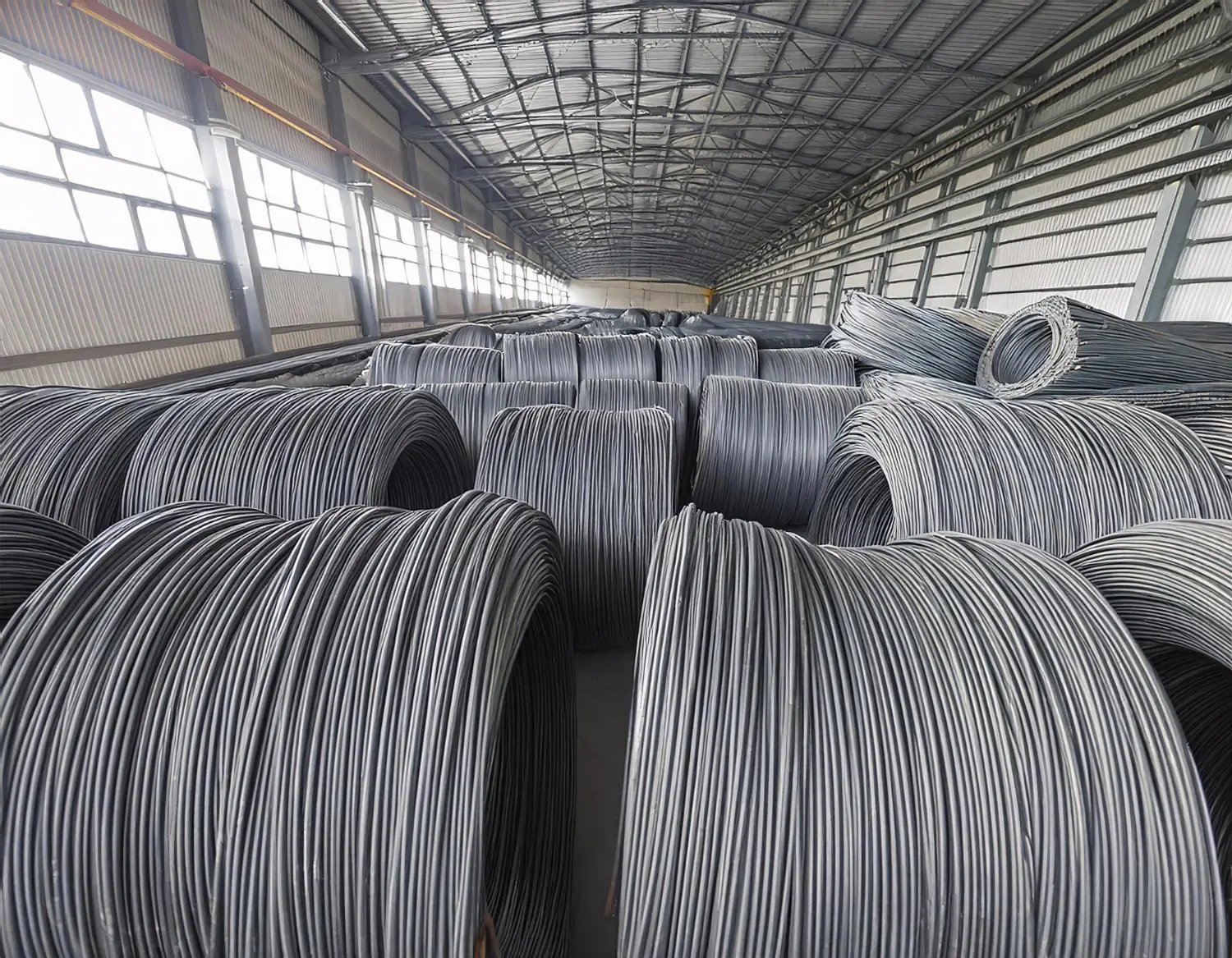
This is one reason many developers choose Weld Mesh Reinforcement Solutions for warehouse flooring and slab construction.
The uniform reinforcement distribution helps improve structural consistency while reducing installation time.
Industrial Traffic Creates Additional Stress
Unlike residential buildings, warehouses experience constant movement throughout the day.
Forklifts, loading equipment, transport vehicles, and material handling systems create repetitive loads that place significant stress on flooring systems.
Over time, inadequate reinforcement can contribute to:
- Cracking
- Surface deterioration
- Uneven flooring
- Increased maintenance costs
Proper reinforcement plays an important role in maintaining floor performance.
Foundation Requirements Are Often More Demanding
Warehouse projects frequently involve:
- Larger structures
- Greater loading conditions
- Heavier equipment
- Industrial operations
As a result, foundation systems must be designed to support substantial structural loads.
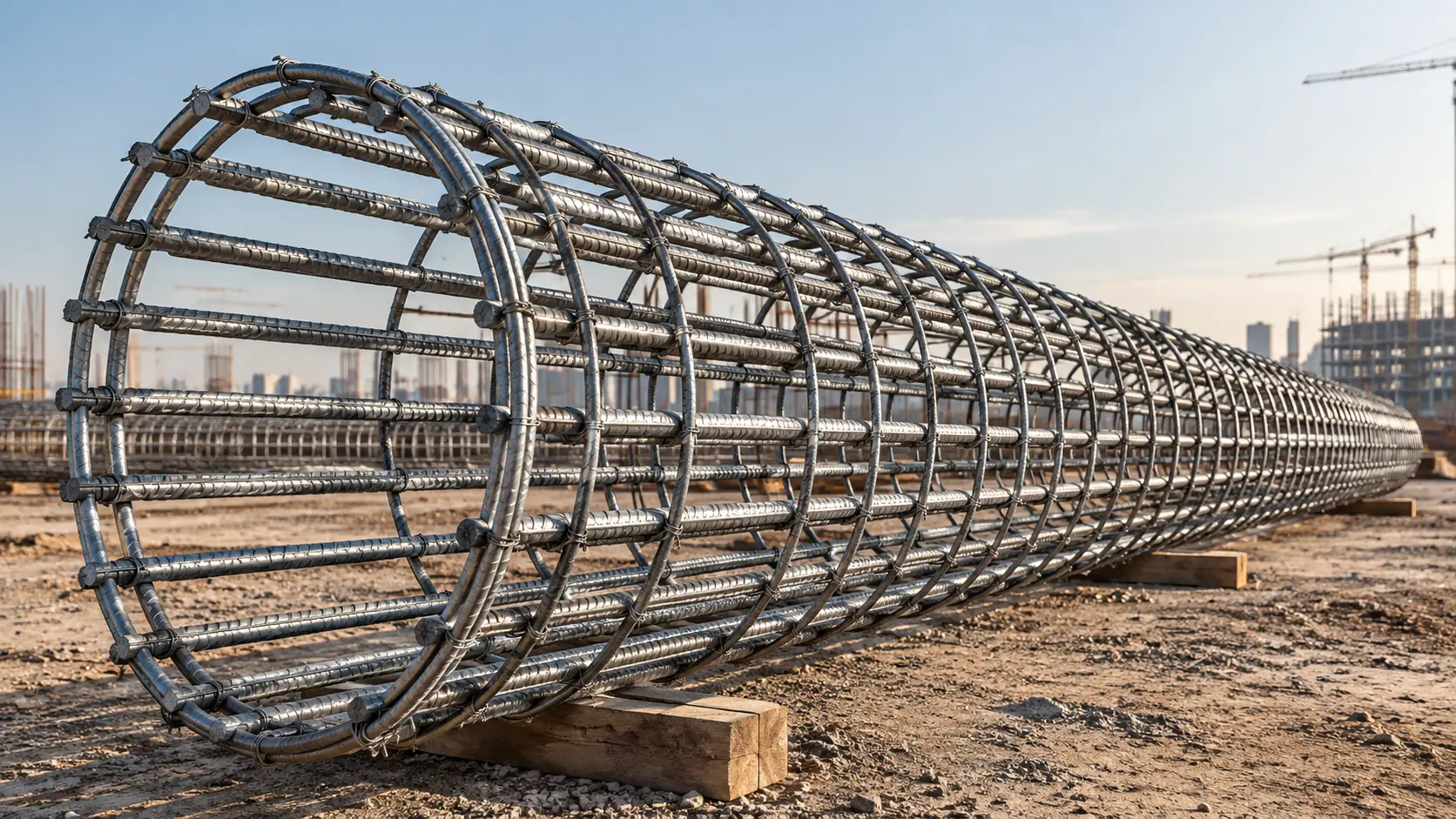
Many large warehouse developments utilize Bore Pile Cage Reinforcement Solutions to strengthen deep foundation systems and improve long-term stability.
Construction Speed Matters in Warehouse Projects
Developers investing in logistics and warehousing facilities often operate under strict timelines.
Delays can impact:
- Business operations
- Tenant occupancy
- Project profitability
- Supply chain planning
Modern reinforcement systems help accelerate construction by reducing on-site fabrication requirements and improving installation efficiency.
This is one reason why many warehouse developers have shifted toward prefabricated reinforcement solutions.
To learn more about modern reinforcement methods, read Traditional Rebar vs Weld Mesh: Which Saves More Time and Cost?.
Warehouse Floors Need Long-Term Durability
Unlike residential floors, warehouse floors are expected to perform under continuous operational conditions for many years.
Developers often prioritize:
- Load-bearing performance
- Crack resistance
- Structural stability
- Reduced maintenance
- Long-term operational reliability
Selecting the right reinforcement system helps support these objectives while improving lifecycle performance.
Ahmedabad's Growing Warehouse Sector
Ahmedabad has become a major destination for warehousing and logistics development.
Growth drivers include:
- Industrial expansion
- E-commerce growth
- Manufacturing investments
- Strategic connectivity
- Infrastructure development
As warehouse construction continues to increase, developers are placing greater emphasis on efficient reinforcement systems capable of supporting modern operational requirements.
Choosing the Right Construction Partner Matters
Warehouse projects involve significant investment and long-term operational planning.
Developers often look for suppliers who can provide:
- Reliable product availability
- Consistent quality
- Project support
- Technical understanding
- Timely deliveries
Working with experienced construction material partners helps reduce project risks while improving execution efficiency.
Conclusion
Warehouses require different reinforcement strategies than residential buildings because they operate under significantly different conditions.
Heavy loads, industrial traffic, larger floor areas, and demanding operational requirements all influence reinforcement decisions.
By selecting appropriate reinforcement systems and foundation solutions, developers can improve structural performance, reduce maintenance concerns, and support long-term warehouse operations.
As Ahmedabad's warehousing sector continues to expand, reinforcement quality will remain a critical factor in successful warehouse construction.
FAQs
Why do warehouses need stronger reinforcement than residential buildings?
Warehouses support heavier loads, industrial traffic, storage systems, and continuous operations that place greater demands on structural elements.
What reinforcement is commonly used in warehouse flooring?
Many warehouse projects use weld mesh reinforcement because it provides consistent reinforcement distribution and efficient installation.
Why are foundations important in warehouse construction?
Warehouse structures often support substantial loads, making foundation strength essential for long-term stability and performance.
How does warehouse construction differ from residential construction?
Warehouse projects typically involve larger floor areas, higher loading requirements, industrial traffic, and stricter durability expectations.
Why is reinforcement quality important for warehouses?
High-quality reinforcement helps improve durability, crack resistance, load distribution, and overall structural performance.