Why Do Concrete Slabs Crack?
Concrete is strong in compression but relatively weak in tension.
As concrete cures, settles, expands, contracts, and responds to environmental conditions, stresses can develop within the slab. If these stresses exceed the slab's capacity, cracks can form.
The goal of good construction is not only to reduce cracking but also to control it effectively.
Poor Reinforcement Planning
One of the most common causes of slab cracking is inadequate reinforcement.
Without proper reinforcement, concrete becomes more vulnerable to shrinkage stresses and load-related movement.
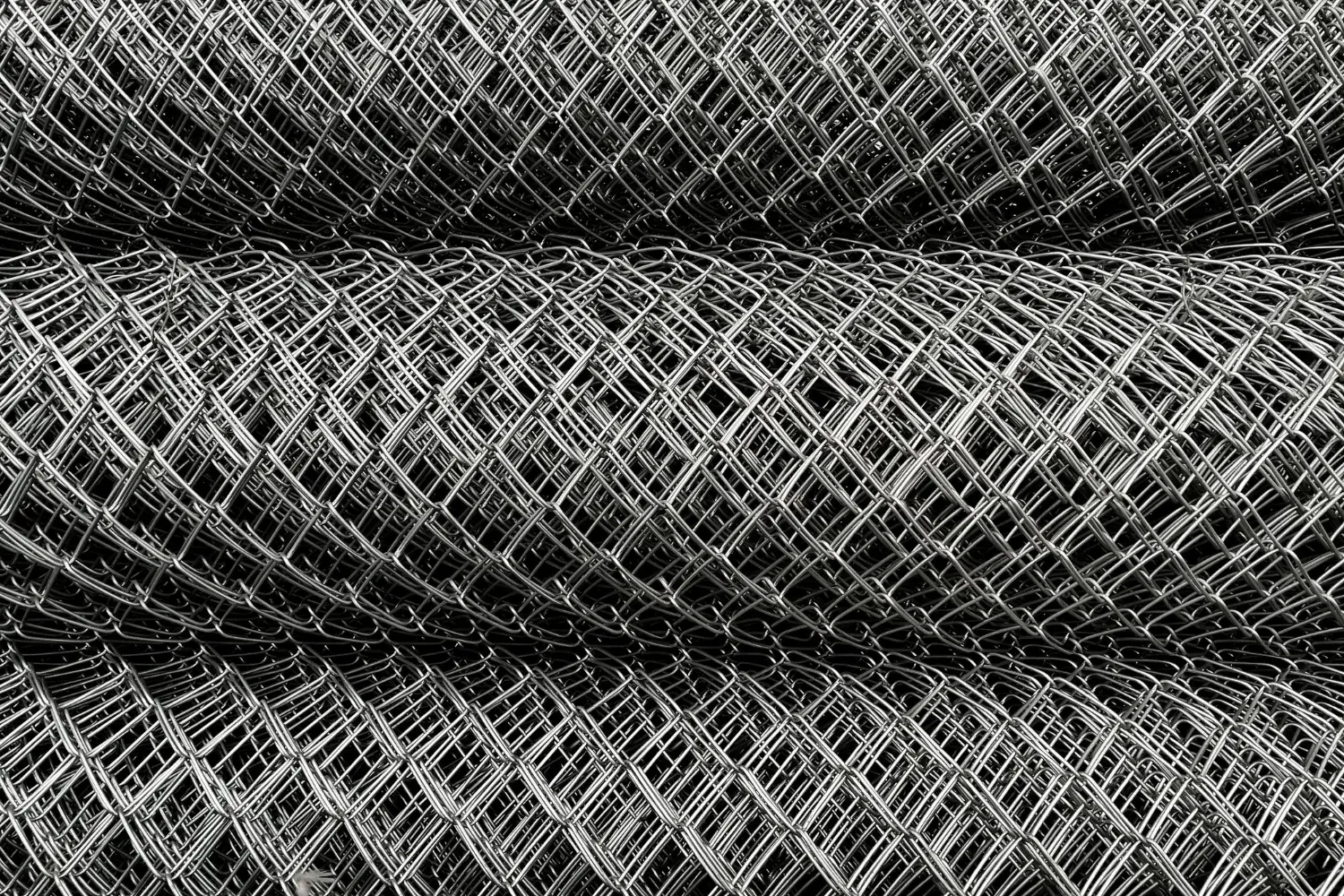
Modern construction projects increasingly use Weld Mesh Reinforcement Solutions because they provide uniform reinforcement distribution throughout the slab, helping improve structural consistency and crack control.
Improper Soil Preparation
The performance of a concrete slab depends heavily on the ground beneath it.
If the soil is not properly compacted, settlement may occur after construction.
Uneven settlement can create stress concentrations that eventually lead to cracking.
Proper site preparation and foundation planning are essential for long-term slab performance.
Excess Water in Concrete
Adding too much water to a concrete mix may make it easier to work with, but it can also weaken the final structure.
Excess water increases shrinkage during curing, which can contribute to cracking.
Maintaining the correct water-cement ratio is critical for achieving durable concrete.
Rapid Drying and Curing Issues
Concrete requires controlled curing to develop strength properly.
When slabs dry too quickly due to:
- High temperatures
- Strong winds
- Low humidity
shrinkage cracks can develop.
Proper curing practices help minimize these risks.
Heavy Loads Beyond Design Capacity
Every slab is designed to support a specific load.
When slabs are exposed to loads beyond their intended capacity, cracks may develop over time.
This is particularly important in:
- Warehouses
- Industrial facilities
- Manufacturing plants
- Commercial developments
Proper reinforcement and structural design help improve load distribution and durability.
Temperature Changes
Concrete expands and contracts as temperatures change.
Without proper joints and reinforcement, thermal movement can generate internal stresses that contribute to cracking.
Construction professionals often incorporate expansion and control joints to help manage these movements.
The Role of Reinforcement in Crack Control
Reinforcement does not completely eliminate cracking, but it helps control crack width and distribution.
By improving load transfer and stress distribution, reinforcement helps maintain structural performance even when minor cracks occur.
To understand why many builders are shifting toward modern reinforcement systems, read Traditional Rebar vs Weld Mesh: Which Saves More Time and Cost?.
Why Industrial and Warehouse Floors Require Special Attention
Industrial flooring experiences significantly higher stresses than residential slabs.
Forklift traffic, storage systems, machinery, and operational loads place continuous demands on the slab.
For these projects, reinforcement quality becomes even more important to ensure long-term durability and crack resistance.
Building Strong Foundations Matters Too
Crack prevention starts long before the slab is poured.
Strong foundations help reduce settlement-related issues and improve structural stability.
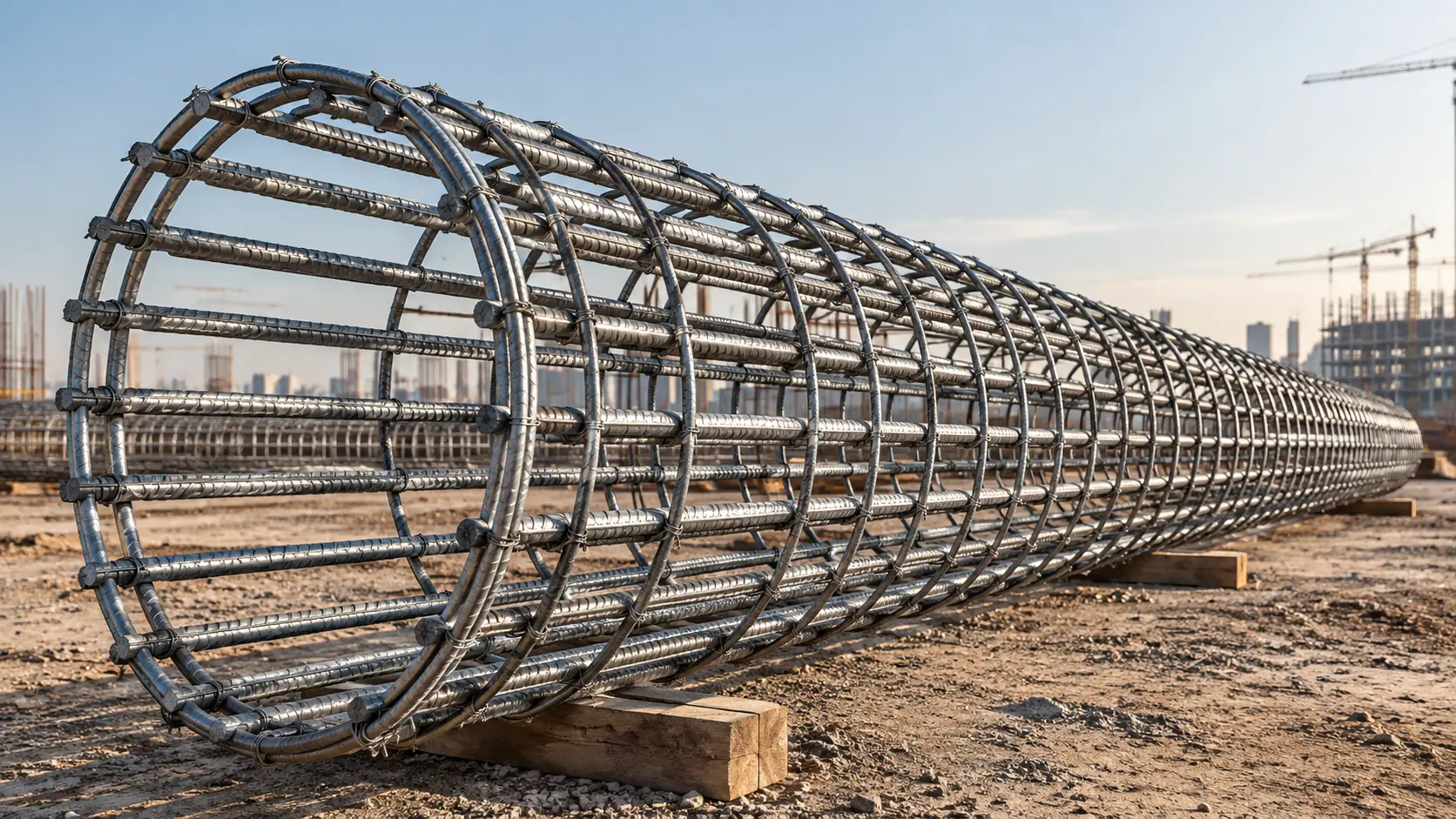
Many large industrial and infrastructure projects rely on Bore Pile Cage Reinforcement Solutions to support heavy structural loads and improve foundation performance.
Conclusion
Concrete slab cracking can result from a combination of factors including poor reinforcement, inadequate soil preparation, improper curing, excessive loading, and temperature-related movement.
While some cracking is normal, proper planning, quality materials, and modern reinforcement solutions can significantly reduce the risk.
By focusing on both foundation integrity and reinforcement quality, builders can improve durability, reduce maintenance costs, and create structures that perform reliably for years to come.
FAQs
Are all concrete slab cracks serious?
No. Some cracks are cosmetic, while others may indicate structural concerns. Professional evaluation is recommended for larger or widening cracks.
Can reinforcement prevent cracks completely?
No. Reinforcement helps control cracking and improve structural performance, but it cannot eliminate all cracking.
Why do new concrete slabs crack?
Common causes include shrinkage, curing issues, temperature changes, and settlement.
Does weld mesh help reduce cracking?
Properly designed reinforcement systems help improve stress distribution and crack control within concrete slabs.
Why is soil preparation important?
Poorly compacted soil can settle over time, creating stresses that contribute to slab cracking.